How Income Tax Works
Income tax is a portion of your earnings that goes to the government. It funds essential services like schools, hospitals, and infrastructure. Understanding how it’s calculated helps you manage your finances better.

Key Components of Income Tax
- Taxable Income: The part of your earnings the government uses to determine your tax amount.
- Tax Rate: The percentage applied to your taxable income; higher earnings pay higher rates.
- Withholding: Employers usually deduct taxes directly from your paycheck.
Why Income Tax Matters
- Supports national programs like defense, education, and healthcare.
- Helps you build a financial history for loans and benefits.
- Ensures compliance with law, avoiding penalties or audits.
Simple Example
If your total income is $40,000 and your deductions bring it down to $35,000, you’ll pay tax based only on that $35,000. Different income ranges fall into different “brackets.”
Deductions & Credits
Deductions and credits help lower your tax bill, but they work differently. Deductions reduce your taxable income, while credits directly lower the amount you owe.
Common Deductions
- Charitable donations to registered organizations.
- Interest paid on student loans or mortgages.
- Medical and educational expenses, if applicable.
Popular Tax Credits
- Child Tax Credit: Helps families reduce taxes per child.
- Education Credits: For tuition or college costs.
- Energy Credit: For installing solar panels or energy-efficient systems.
Why These Matter
Even small deductions and credits can add up to large savings. Always keep receipts and verify eligibility before claiming.
Filing Taxes Online
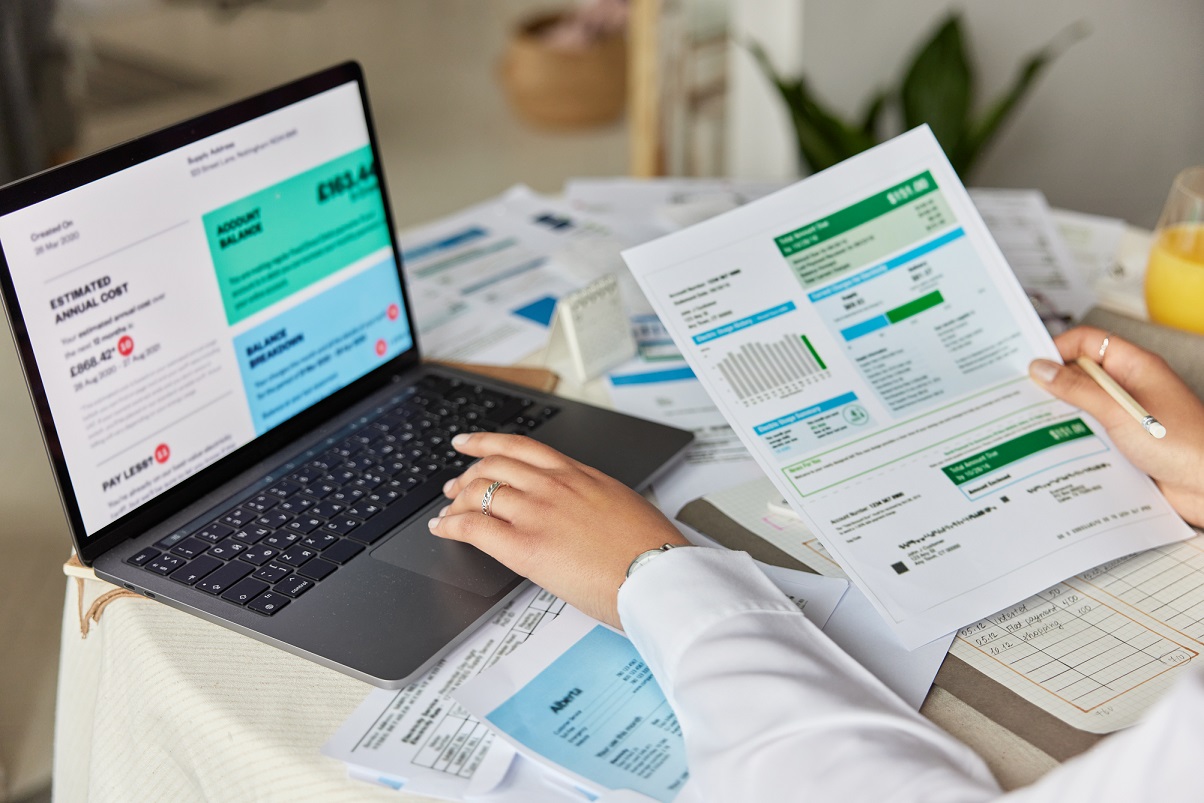
Online filing makes tax season faster and safer. You can use official sites or trusted software to file from home without stress.
Documents You’ll Need
- W-2 or 1099 forms from employers.
- Identification and Social Security numbers.
- Records of deductions or expenses you plan to claim.
Steps to File Online
- Choose a filing platform like IRS Free File, TurboTax, or H&R Block.
- Enter your income and deductions carefully.
- Double-check before submitting to avoid mistakes.
Benefits of E-Filing
- Faster refunds through direct deposit.
- Reduced paperwork and storage hassle.
- Instant confirmation that your return was received.
Tax Planning Tips
Planning your taxes early helps you save money and avoid last-minute panic. A few small habits can make a big difference by the end of the year.
Smart Planning Habits
- Track deductible expenses throughout the year.
- Contribute to retirement or health savings accounts.
- Set reminders for quarterly tax payments if you’re self-employed.
Avoid Common Mistakes
- Don’t wait until April — file early to reduce pressure.
- Use updated tax software to reflect the latest laws.
- Keep digital and paper copies of every record.
When to Seek Help
- Consult a certified tax preparer for complex income sources.
- Ask about credits you may not know, like educational or energy rebates.
- Join free community tax assistance programs if eligible.
Understanding your taxes helps you take control of your money. File early, use the right tools, and plan smartly to keep more of your income each year.