Creating a Personal Budget
A personal budget is your money plan for the month. It helps you see what you earn, what you spend, and what you can save. A good budget keeps your money organized and stops you from running short near month-end.
Steps to Create a Budget
Follow these steps to make a simple and realistic budget that fits your daily life:
- Step 1: Write down your total monthly income — salary, freelance work, or small business earnings.
- Step 2: List all fixed expenses such as rent, utility bills, and school fees.
- Step 3: Add flexible expenses like groceries, travel, and fun activities.
- Step 4: Use the 50/30/20 rule — 50% for needs, 30% for wants, and 20% for savings.
- Step 5: Review your budget every month and adjust it as life changes.
Why Budgeting Matters
Budgeting helps you reach your financial goals — whether it’s paying bills on time, saving for school, or planning a family vacation. It builds discipline and peace of mind.
- Gives clear control over your money.
- Reduces stress and surprises at month-end.
- Helps you save faster for future goals.
Tracking Income & Expenses
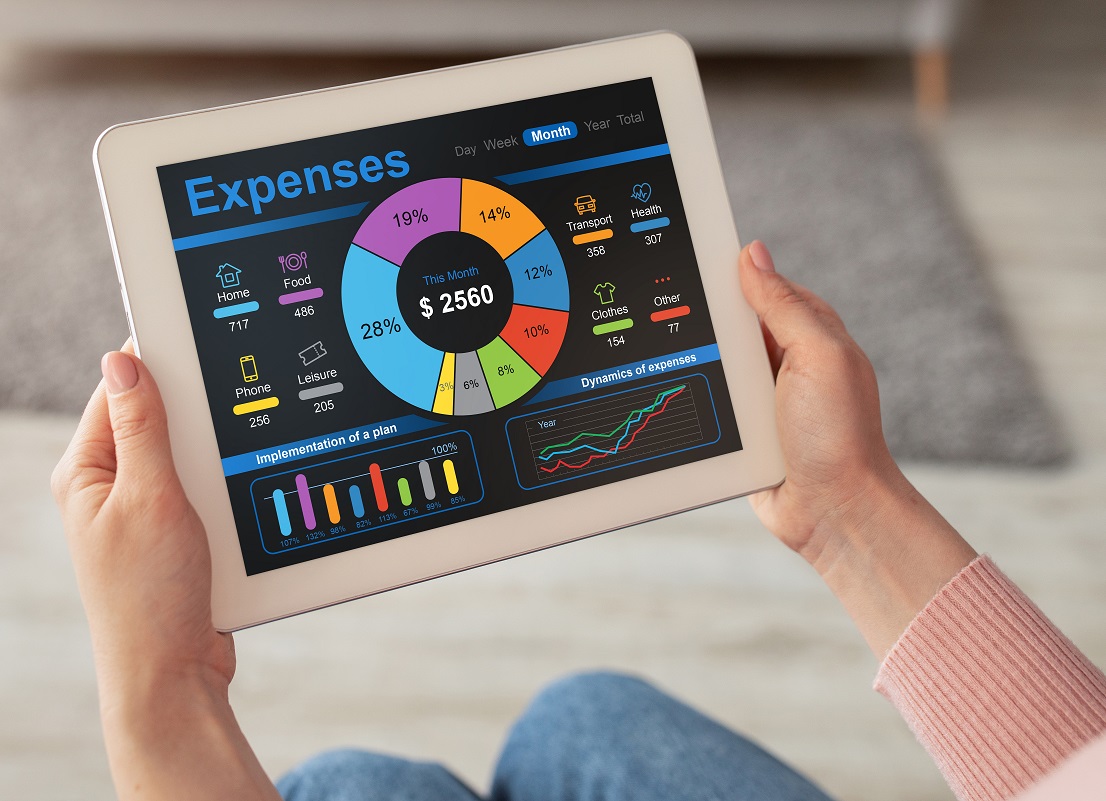
Tracking expenses means recording where your money goes every day. It helps you spot small spending habits that can quietly drain your income.
Why Tracking Helps
Many people wonder where their money disappears. Tracking every rupee or dollar helps you find answers and stay on top of your spending.
- Shows exactly how much you spend each day.
- Reveals hidden costs like snacks, rides, or apps.
- Helps you correct spending habits before they grow.
How to Track Easily
Keep it simple — you can track expenses with paper, a phone note, or an app. The goal is to be consistent, not perfect.
- Note every purchase, even small ones like tea or bus fare.
- Check receipts or bank statements weekly.
- Compare your spending with your budget plan.
Emergency Fund Basics
An emergency fund is your safety net. It’s money kept aside for unexpected events — like a job loss, sudden repairs, or medical needs — so you don’t have to borrow during tough times.
How to Start
You don’t need to save a big amount right away. Start small and build it slowly.
- Save a small fixed amount weekly or monthly.
- Keep it in a separate savings account, not your main one.
- Set an initial goal of one month’s expenses, then grow to six months.
Why It’s Important
Having an emergency fund gives peace of mind and keeps you from relying on loans or credit cards when life surprises you.
- Protects your family from sudden financial shocks.
- Stops you from taking expensive loans.
- Gives confidence and stability during hard times.
Top Budgeting Tools & Apps
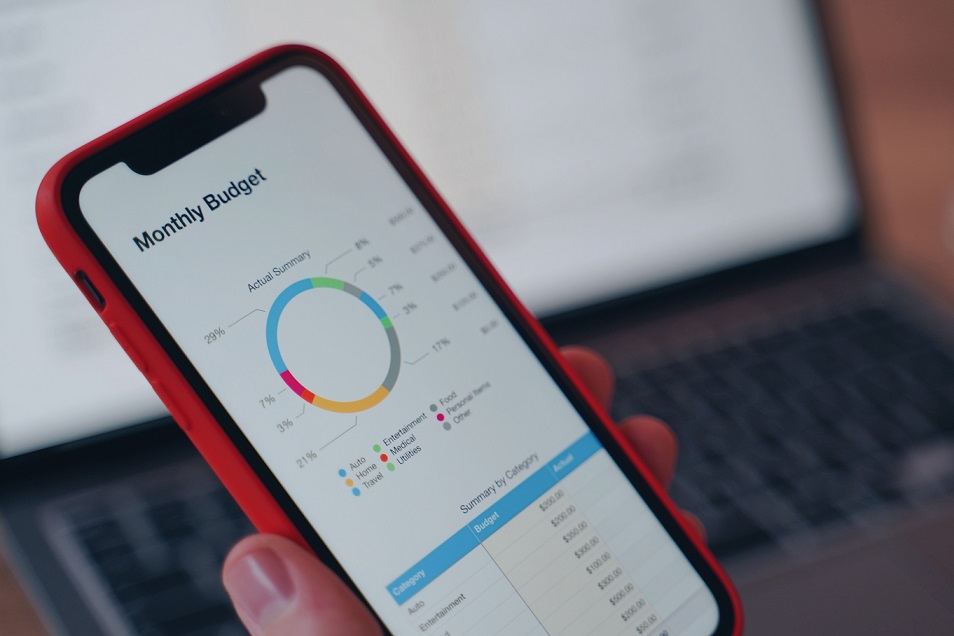
Budgeting apps make money management easy and automatic. They track your spending, alert you before bills are due, and show where you can save more.
Popular Tools
Here are a few trusted apps that can help you stay organized and stick to your plan:
- Mint: Connects to your bank and shows all your spending in one place.
- Goodbudget: Uses digital “envelopes” to divide your money for different needs.
- Wallet App: Tracks expenses and savings together with helpful charts.
- Google Sheets: Great for manual tracking and custom budgeting templates.
- Rocket Money: Detects and cancels unused subscriptions automatically.
Why Use Budgeting Tools
Apps save time and reduce effort — they help you focus on your goals instead of doing math every day.
- Give reminders for bill payments and savings goals.
- Show clear spending summaries with visuals.
- Keep your financial data secure and private.
Budgeting builds financial control, reduces stress, and helps you reach your goals faster. Start with one step today — small changes create big results.